
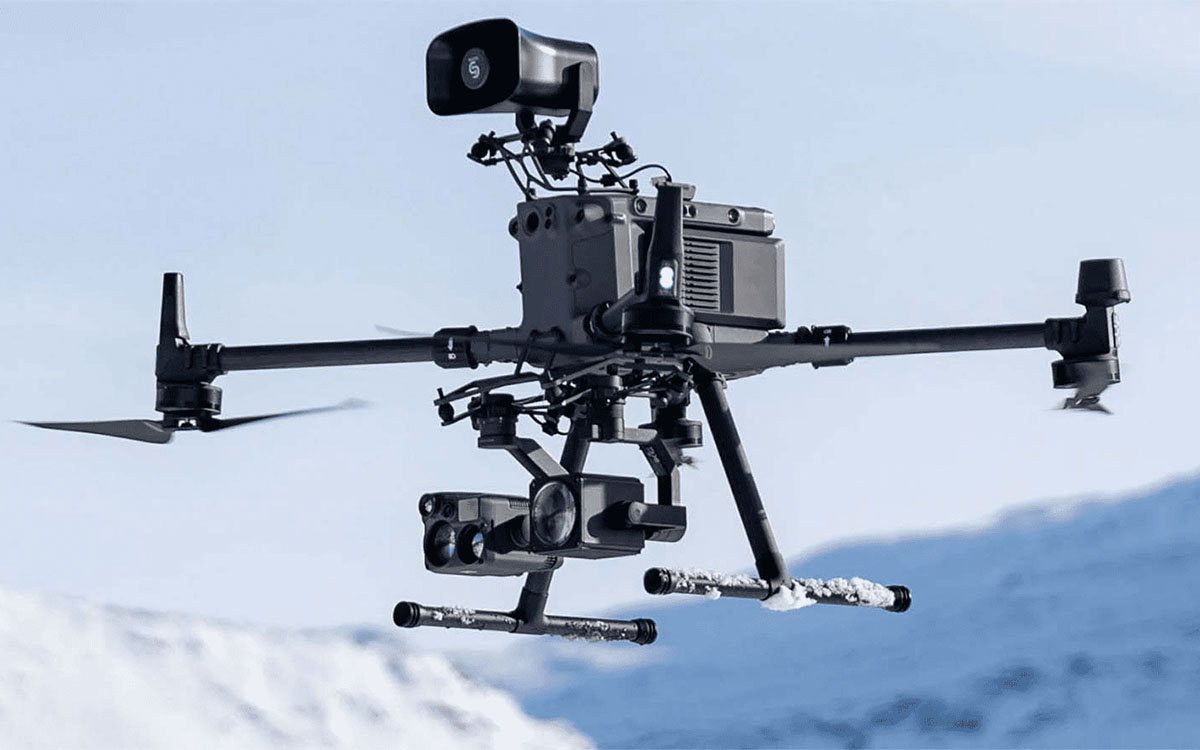
How to Extend Your Drone’s Flight Range
A practical guide to antenna kits, data links, and long-range drone setups for serious pilots.
One of the most common questions we hear from drone pilots is: “How far can I actually fly?” Whether you’re mapping a large property, inspecting powerlines, or simply trying to get a better aerial shot, extend drone flight range is one of the most important performance factors of any drone. The good news: with the right setup, you can dramatically push beyond stock limits without buying a new aircraft.
1. Why Drones Struggle with Long-Range Flight
Most consumer drones are designed for short-range operation — typically 5 to 10 km under ideal conditions. Several factors limit how far you can fly:
- Antenna gain and orientation — the stock antennas on most drones are omnidirectional and low-gain, meaning signal strength drops quickly with distance.
- Frequency interference — urban areas, Wi-Fi networks, and other drones can interfere with 2.4GHz and 5.8GHz signals.
- Battery life vs. signal range — even if your signal reaches far, the drone’s battery usually becomes the limiting factor.
- Regulatory limits — BVLOS (Beyond Visual Line of Sight) operations require special compliance in most countries.
2. The Role of Antenna Kits Extend Drone Flight Range
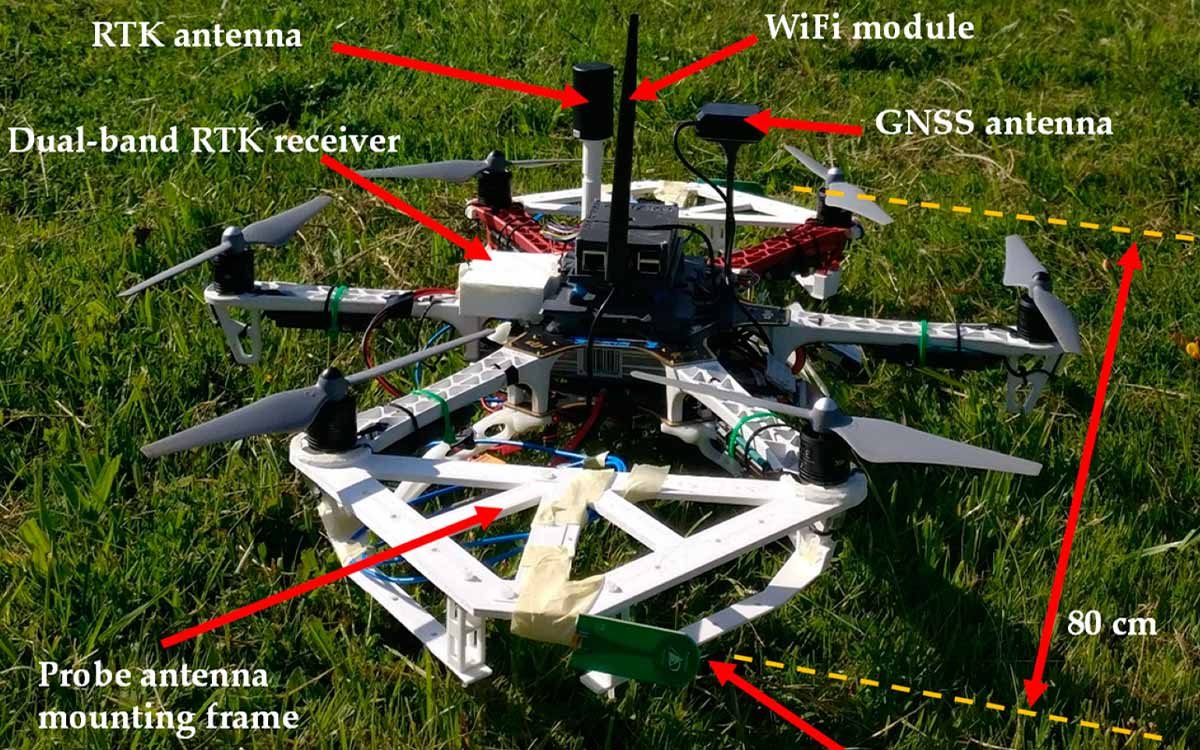
Antennas are the most overlooked component in drone performance. Upgrading your antenna is often cheaper and more effective than buying a new drone. If you want a proven drone antenna kit extend drone flight range, this is the most impactful place to start. Here’s why:
- Higher gain — directional antennas focus signal energy in one direction, increasing range significantly.
- Better noise rejection — high-quality antennas filter out interference from other RF sources.
- Improved stability — even at extreme distances, signal quality remains consistent.
At SoarApex, our Antenna Kit is designed specifically for pilots who want to push their drones beyond stock limits without complex modifications. It’s a plug-and-play upgrade that works with most modern drone platforms.
3. Data Link and Video Transmission: The Other Half of the Equation
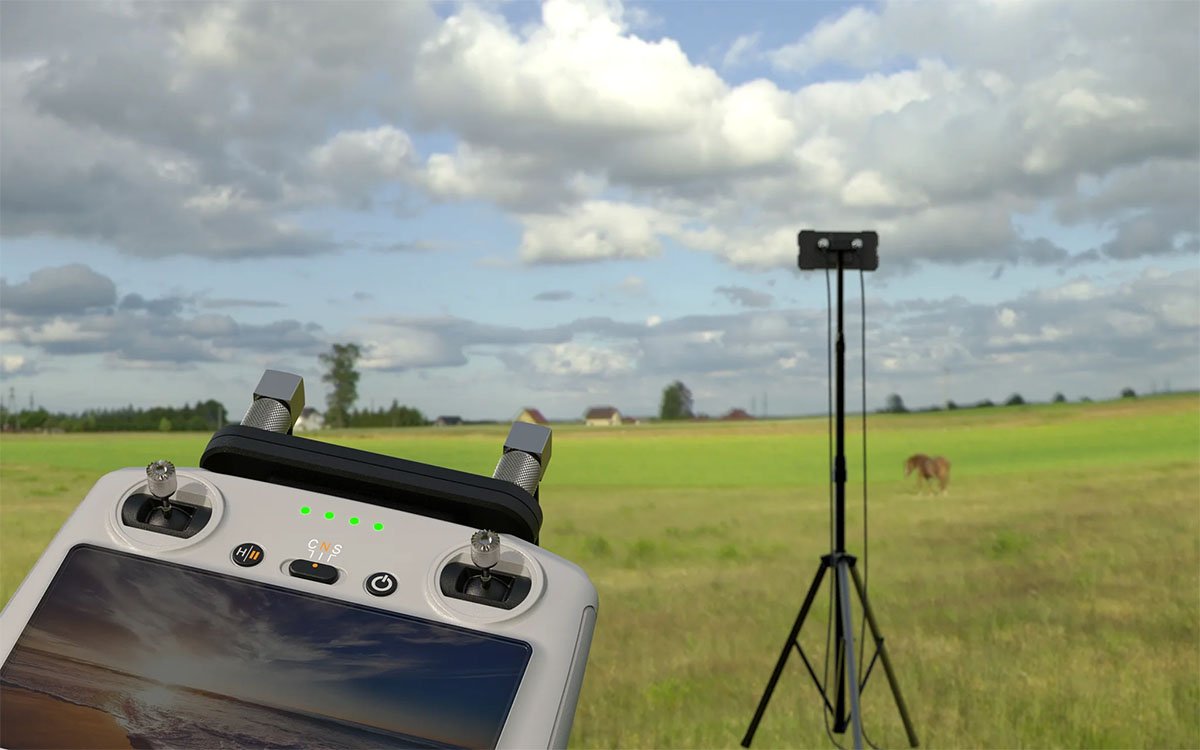
Even with a great antenna, your data link and video transmission system must also support long-range operation. Most modern UAV drones use digital transmission systems like DJI O3 or O4, which offer much better range and stability than older analog systems.
If you’re serious about how to increase drone range in real-world conditions, you should also familiarize yourself with DJI’s O3 Air Unit technology, which is widely considered the industry standard for low-latency HD video transmission.
For regulatory compliance, especially in the US, you should review the FAA BVLOS regulations. In Europe and Asia, similar frameworks are managed by the ITU-R spectrum standards.
4. Battery and Charging: The Real Bottleneck
Here’s a reality check: even with the best antenna, your drone can’t fly farther than its battery allows. Most drones have a flight time of 30–45 minutes, and pushing beyond that requires either battery swaps or high-capacity power solutions.
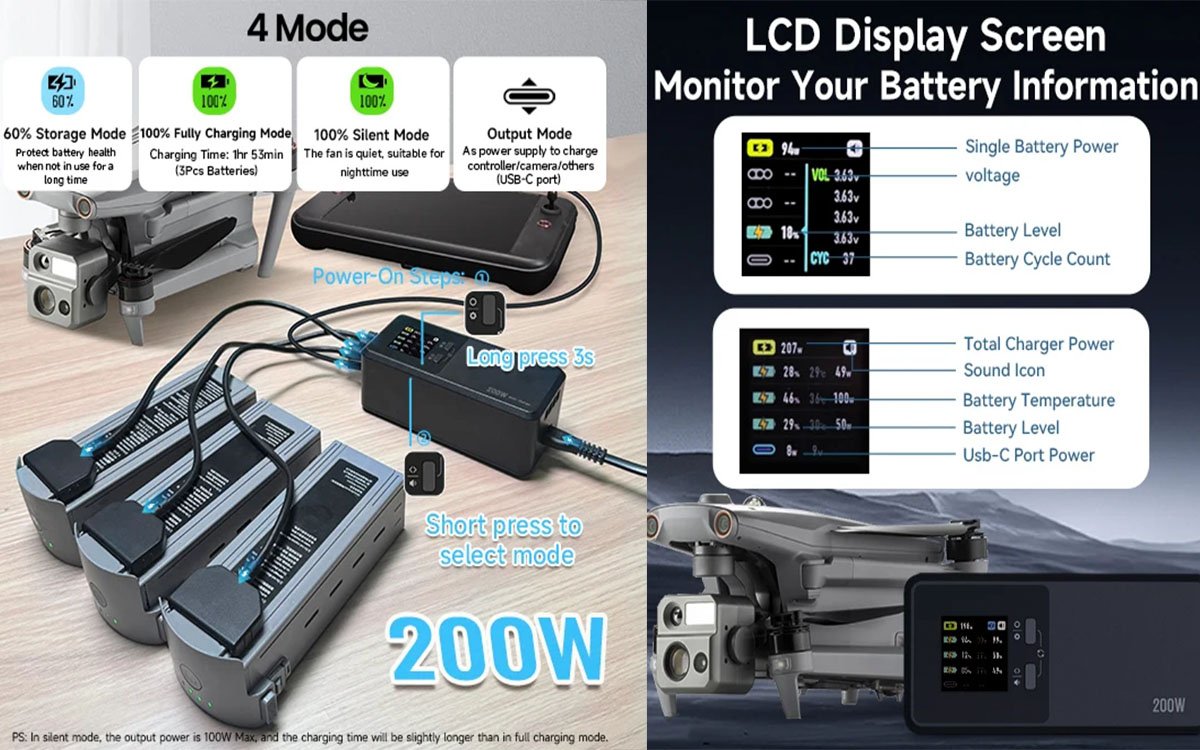
This is where a portable Charging Hub becomes essential. A well-planned long range drone setup guide always includes field charging, because it lets you charge multiple batteries simultaneously in the field, cutting downtime and letting you fly multiple missions in a single day.
5. Going Beyond Range: Payload and Mission Capabilities
If you’re flying long-range missions, you’re probably also carrying a payload — whether it’s a camera, delivery package, or specialized sensor. Adding a Payload Release mechanism turns a standard drone into a delivery or drop-capable platform.
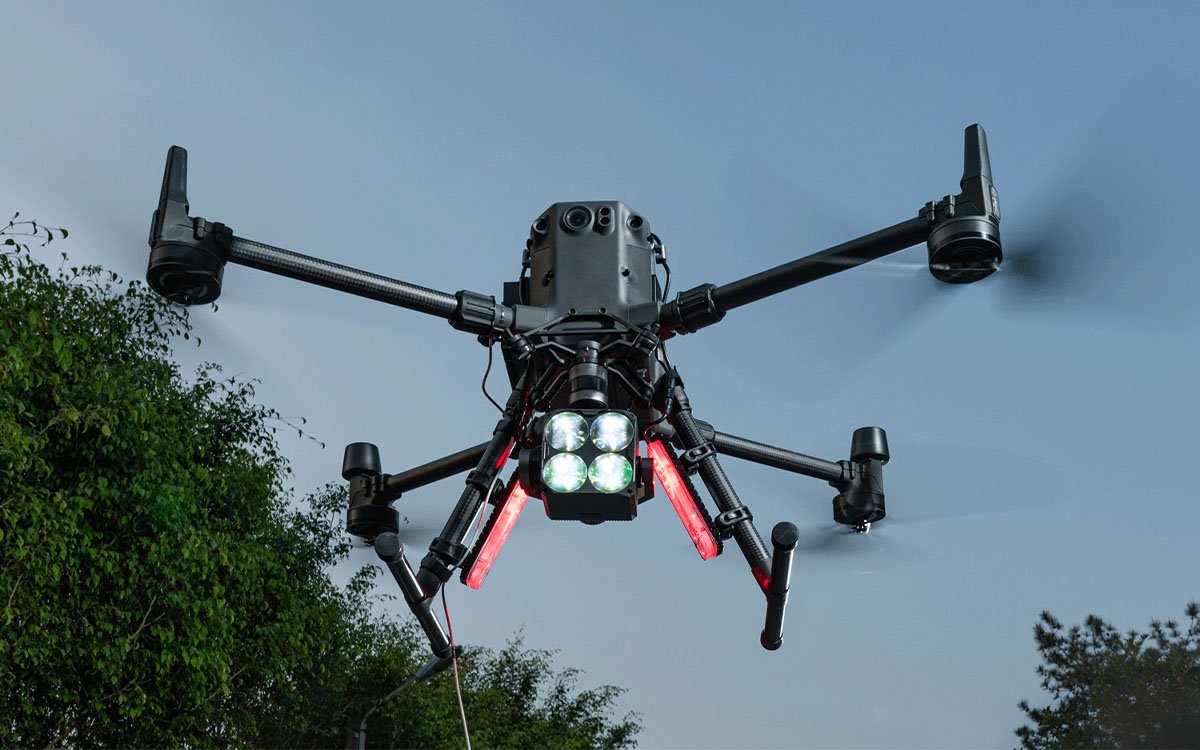
Combined with a long-range antenna and a field charging hub, you can build a complete mission-ready setup — and if you’re flying commercially, this also supports your BVLOS drone operations with the right compliance framework. Typical use cases include:
- Remote delivery in areas without road access
- Search and rescue operations with payload drops
- Agricultural spraying in large fields
- Industrial inspection in hazardous environments
Final Thoughts: Build a Long-Range Setup, Not Just a Long-Range Drone
If you want to extend drone flight range reliably, it’s not about one upgrade — it’s about building a complete system. Antennas, data links, batteries, and payload systems all work together. If you’re ready to take your flights beyond the usual limit, start with the most impactful upgrades:
- Upgrade your antenna with a high-gain kit.
- Understand your data link’s real-world limits.
- Invest in field charging to extend mission time.
- Comply with local BVLOS regulations.
Browse our full collection of drone upgrades at the SoarApex Store, or contact our team if you need help choosing the right setup.