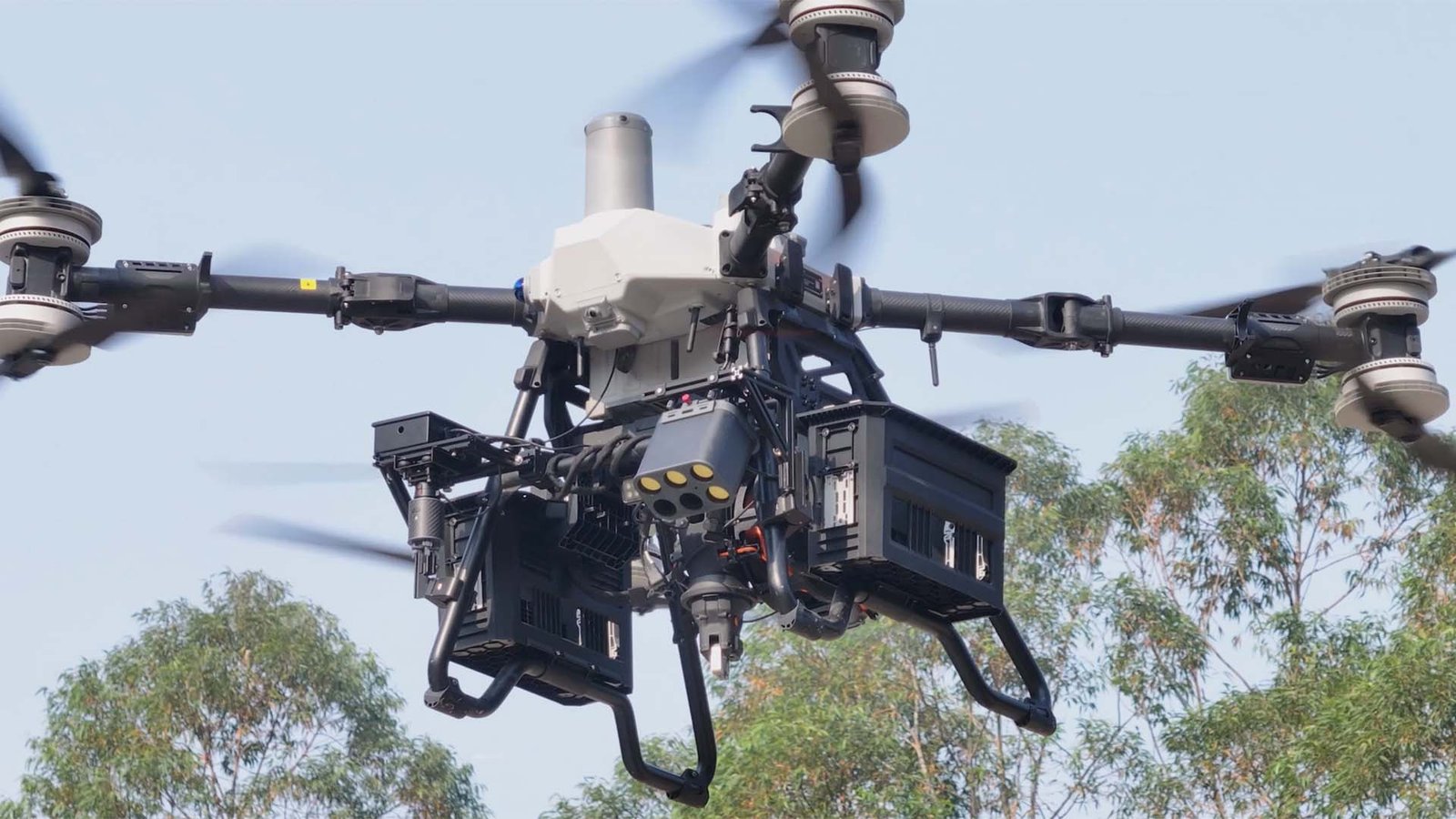
Drone Regulations 2026: What Commercial Pilots Need to Know
US, EU, and Asia-Pacific updates — including BVLOS, Part 107, and what your business needs to stay compliant.
The drone regulations 2026 landscape changed dramatically. What was legal last year may no longer be, and what was restricted is now being opened up. For commercial pilots and businesses operating drones, staying compliant isn’t just a legal issue — it’s a competitive advantage. In this guide, we break down the key commercial drone license requirements and regulatory shifts across the US, EU, and Asia-Pacific region.
1. United States: FAA Part 107 and Beyond
In the US, commercial drone operations are governed by FAA Part 107. The Part 107 drone certification remains the baseline requirement for any commercial pilot, but 2026 brings several important updates:
- Remote ID enforcement — all drones over 250g must broadcast Remote ID or operate within a FAA-Recognized Identification Area (FRIA).
- Part 108 (BVLOS Rule) — the long-awaited BVLOS rule is now in effect, allowing routine beyond-visual-line-of-sight operations under specific performance standards.
- Operations Over People (OOP) — updated categories allow more commercial missions without waivers.
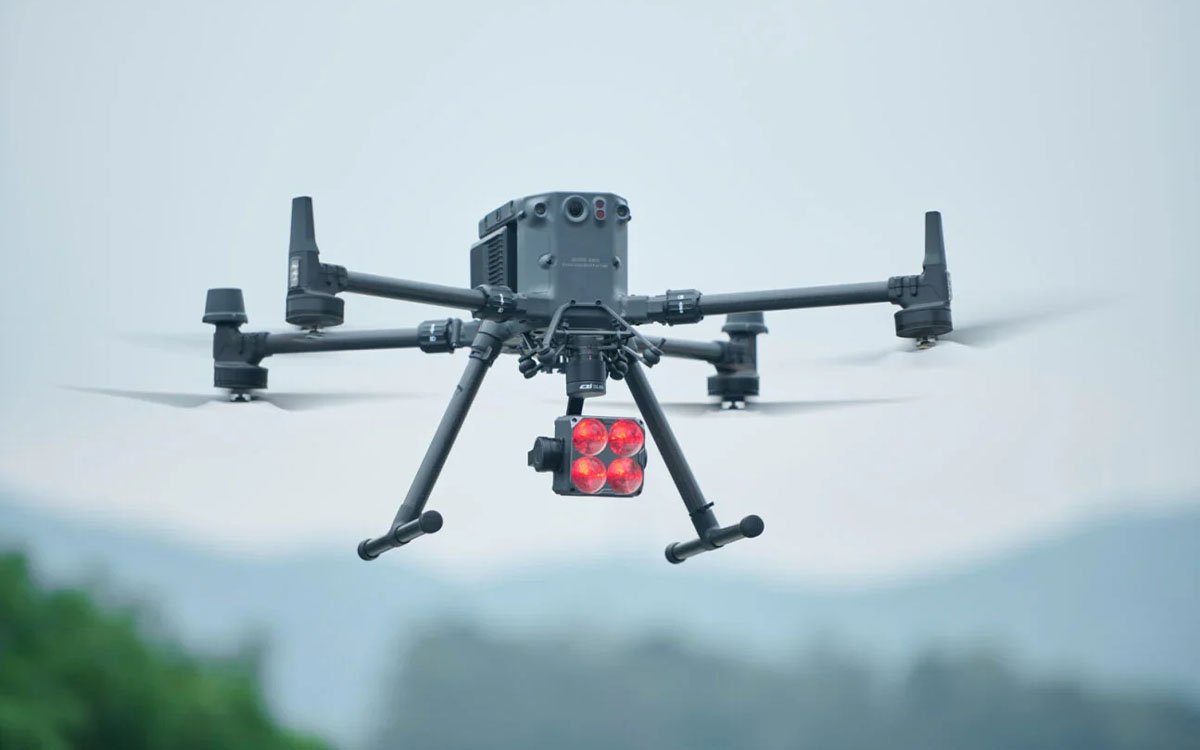
For long-range missions, having the right equipment matters as much as having the right license. Our Antenna Kit helps pilots maintain reliable signal in BVLOS operations, which is now a critical compliance requirement.
2. European Union: EASA and the Open/Specific/Certified Framework
The EU operates under a three-tier framework: Open, Specific, and Certified. Most commercial operations fall into the “Specific” category, requiring an Operational Authorisation from the national aviation authority.
Key 2026 updates include:
- Standard Scenarios (STS) — pre-approved operational scenarios that simplify approvals for common commercial missions.
- U-space rollout — airspace integration systems are being deployed across major EU cities, opening new possibilities for urban drone operations.
- Cross-border operations — mutual recognition between member states is now largely in place, making pan-European commercial flights easier.
Review the full framework on the EASA Drone Rules page.
3. Asia-Pacific: Country-by-Country Complexity
Unlike the US and EU, Asia-Pacific does not have a unified regulatory framework. Each country has its own rules, and compliance requirements vary significantly:
- China (CAAC) — requires real-name registration for all drones, plus operator licensing for commercial use.
- Japan (JCAB) — stringent rules around urban flights and BVLOS, with new 2026 amendments for logistics drones.
- Australia (CASA) — has one of the most open commercial frameworks, with ReOC certification for business operations.
- Singapore (CAAS) — progressive regulations supporting urban air mobility and drone delivery.
For multi-region operations, the ICAO UAS Standards provide useful guidance on international alignment, though they are not yet legally binding in all countries.
4. BVLOS Flight Rules 2026: The Biggest Change
The single biggest regulatory shift in 2026 is the gradual opening of BVLOS flight rules 2026. For years, BVLOS was restricted to waiver-only operations. Now, both the FAA and EASA are moving toward “performance-based” approvals.
If you’re conducting BVLOS missions, you need:
- Detect-and-avoid (DAA) systems — either onboard or ground-based, to replace the human “see-and-avoid” requirement.
- Reliable command and control (C2) links — a stable data link is a legal requirement, not just a convenience.
- Emergency procedures — documented and tested for loss-of-link or system failure scenarios.
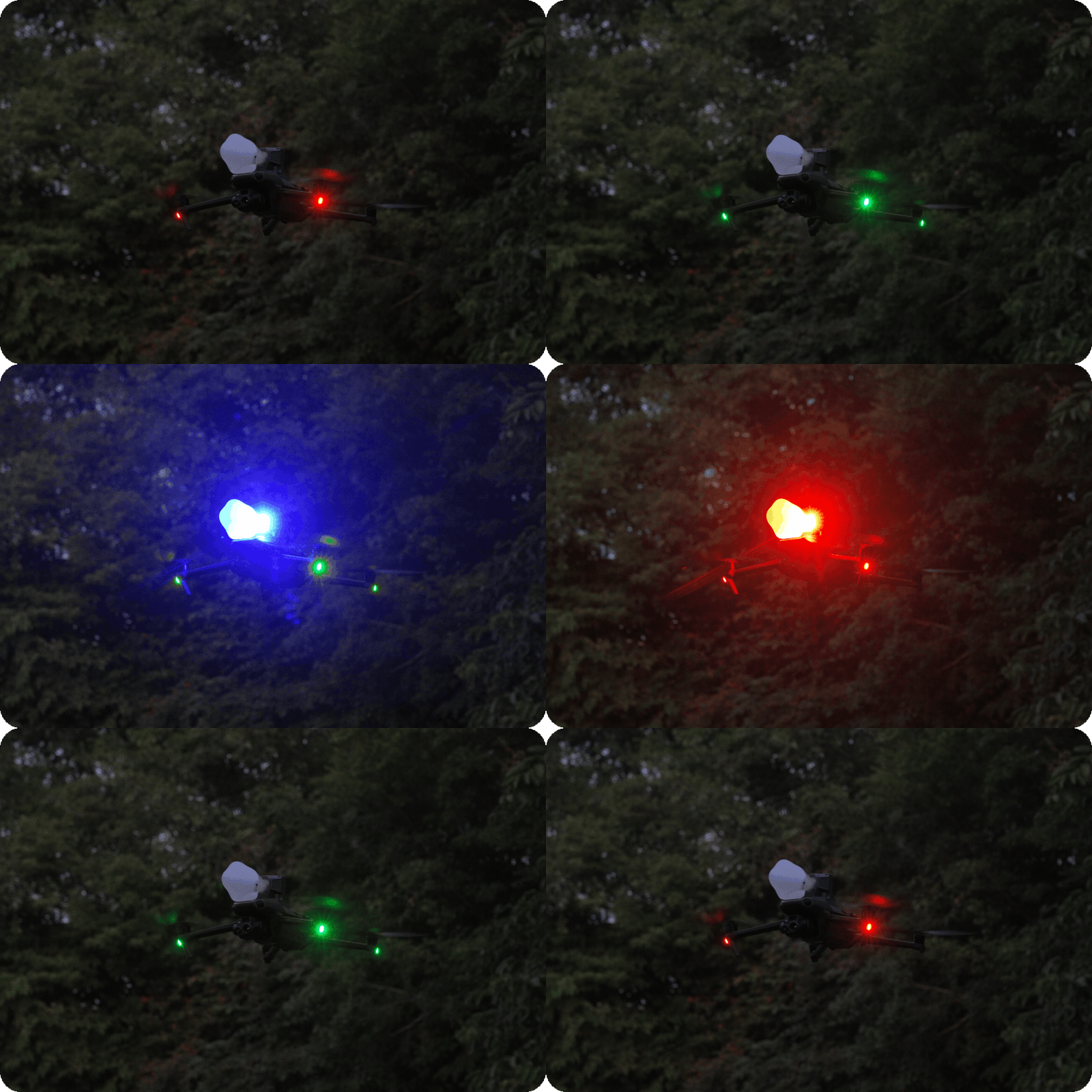
For public safety missions, an aerial Loudhailer adds a critical communication layer that regulators increasingly expect in BVLOS emergency scenarios.
5. Drone Compliance Checklist for Business
Whether you’re a solo operator or managing a fleet, here’s a practical drone compliance checklist for business:
- ✅ Register your drone with the relevant national authority.
- ✅ Hold a valid remote pilot certificate or equivalent (Part 107, EASA A1/A2/A3, etc.).
- ✅ Ensure Remote ID compliance.
- ✅ Maintain liability insurance as required by your jurisdiction.
- ✅ Document pre-flight checks and mission logs.
- ✅ Train operators on emergency procedures and BVLOS protocols.
- ✅ Review the rules annually — regulations are evolving fast.
For payload operations (delivery, spraying, drop missions), a professional Payload Release system is not only more reliable — it also helps you document compliance with mechanical safety standards.
Final Thoughts: Compliance Is a Competitive Advantage
Drone regulations 2026 shows that no longer just a bureaucratic checkbox. Clients, insurers, and regulators are increasingly demanding proof of compliance before awarding contracts. Operators who treat compliance as a competitive advantage — rather than a burden — will be the ones who win the long-term business.
Browse our full collection at the SoarApex Store, or contact our team if you need help building a compliant, mission-ready drone setup.