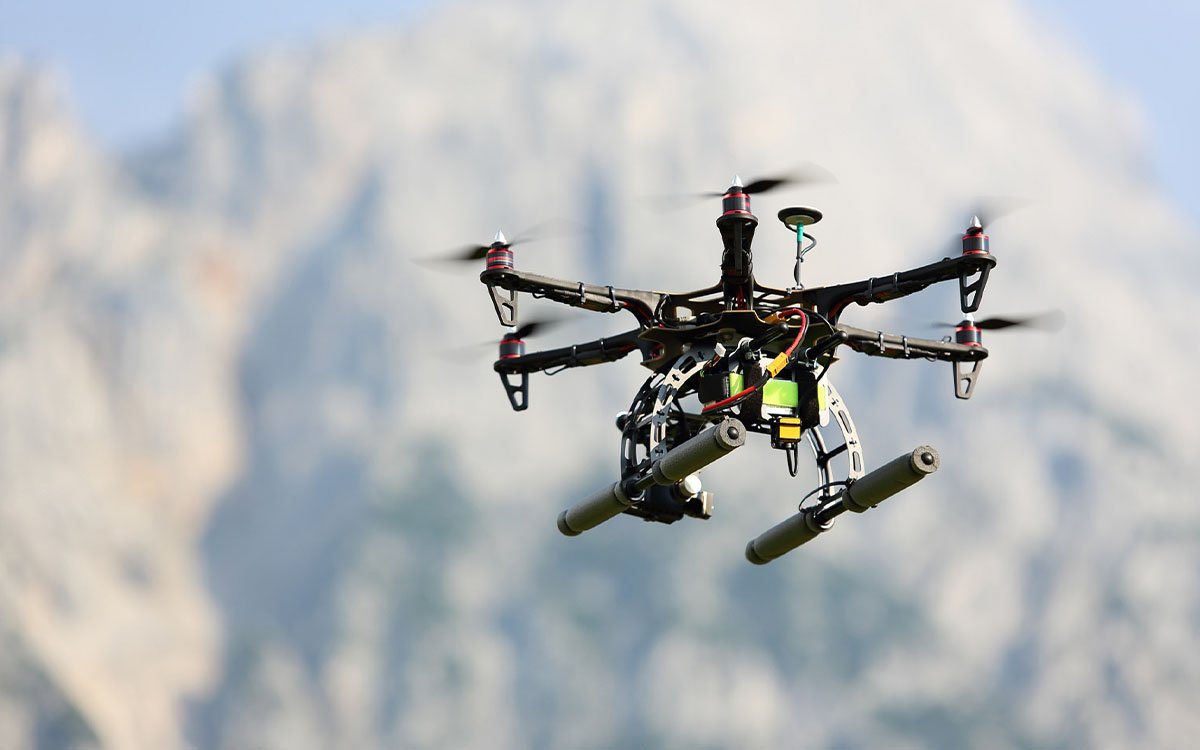
How to Choose the Right Drone Battery for Long Missions
Capacity, chemistry, discharge rate, and cycle life — what actually matters when you’re flying beyond the usual 30 minutes.
Every professional pilot eventually hits the same wall: the drone battery runs out before the mission is done. Whether you’re mapping a large property, inspecting powerlines, or running search and rescue operations, flight time is the ultimate limiting factor. In this guide, we’ll break down what actually matters when choosing a best drone battery for long flight, and how to build a battery setup that matches your real-world missions.
1. UAV Drone Battery Basics: What You’re Actually Choosing
Before diving into specs, it helps to understand what a drone battery capacity explained really means. Most professional drones use one of two battery chemistries:
- LiPo (Lithium Polymer) — high discharge rate, lightweight, ideal for high-performance drones. The trade-off is shorter cycle life and higher risk if mishandled.
- Li-ion (Lithium-Ion) — higher energy density, longer cycle life, safer chemistry. The trade-off is lower peak discharge rate.
The LiPo vs Li-ion drone battery debate isn’t about which is “better” — it’s about matching chemistry to mission profile. Long-range mapping missions benefit from Li-ion; aggressive cinematic or racing flights need LiPo.
2. Capacity vs Flight Time: The Real Math
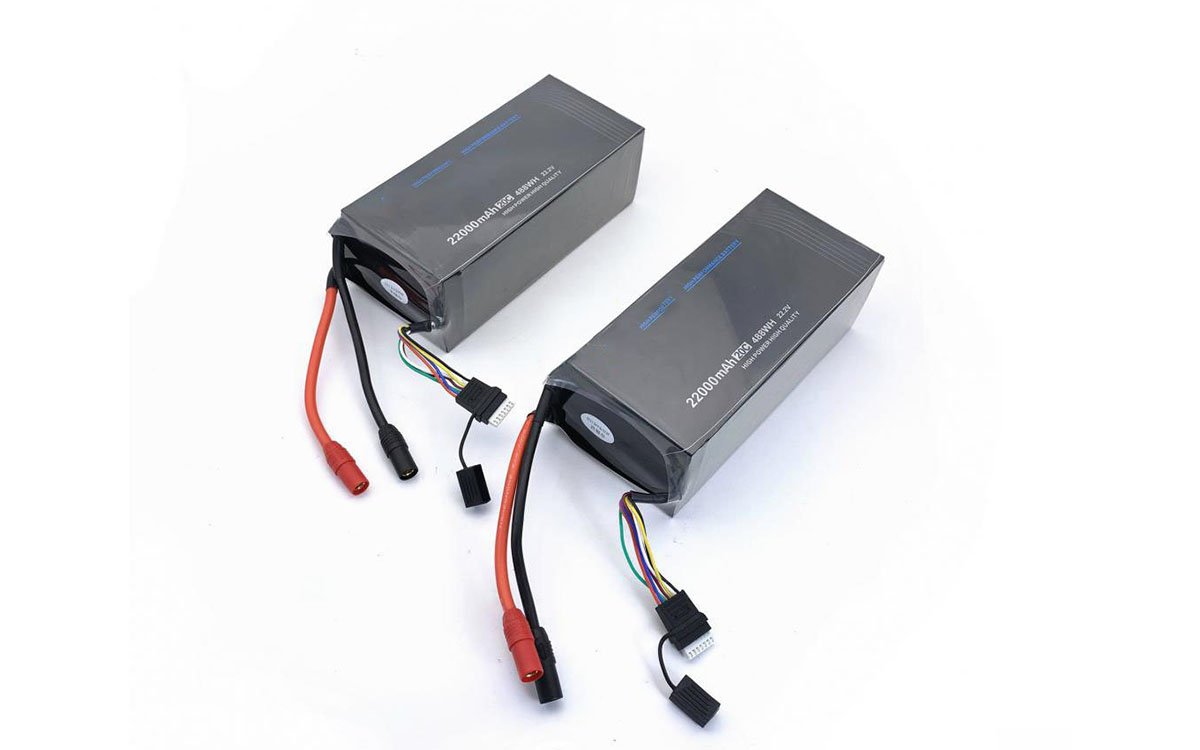
Battery capacity is measured in mAh (milliamp-hours) or Wh (watt-hours). A common mistake is assuming “bigger mAh = longer flight” — but that ignores the weight penalty. Every additional gram of battery requires more lift, which reduces efficiency.
A practical rule of thumb for professional drones: aim for a battery that delivers 25–35% of the drone’s total takeoff weight. Beyond that, the extra capacity stops translating into meaningful flight time.
- Light missions (30 min) — 6S 5000–6000 mAh LiPo
- Standard missions (45 min) — 6S 8000–10000 mAh LiPo
- Long-endurance missions (60+ min) — 6S 12000+ mAh Li-ion or dual-battery setups
To learn how battery capacity pairs with signal range, check out our guide on Antenna Kit — because a long flight time doesn’t help if your signal drops at 3 km.
3. Discharge Rate (C-Rating): The Hidden Spec
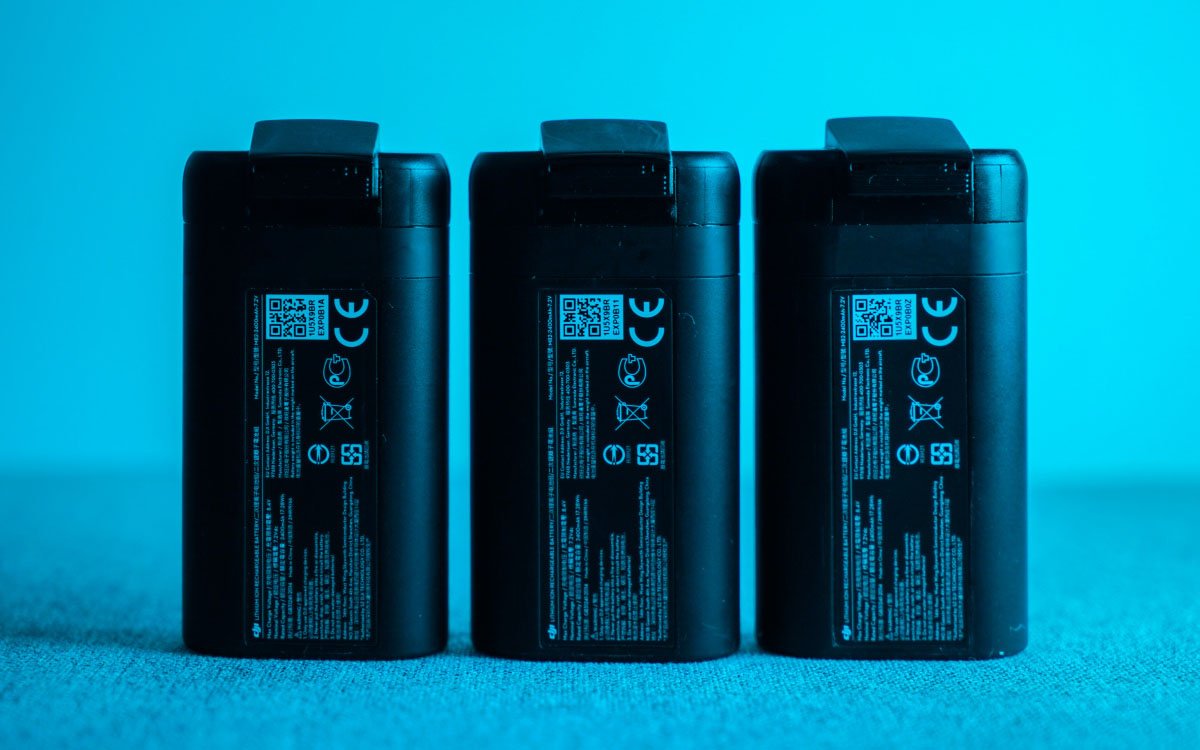
The C-rating tells you how fast a battery can safely discharge. A 10C battery at 5000 mAh can output 50A continuously. This matters most in:
- High-wind operations — motors need more power to fight wind.
- Heavy payload flights — more thrust required for liftoff.
- Aggressive maneuvers — sudden throttle spikes demand higher discharge.
For most professional missions, a 15C–25C battery is sufficient. If you’re seeing voltage sag or sudden power drops, you likely need a higher C-rating, not a bigger capacity.
4. Cycle Life: The Cost You Don’t See Upfront
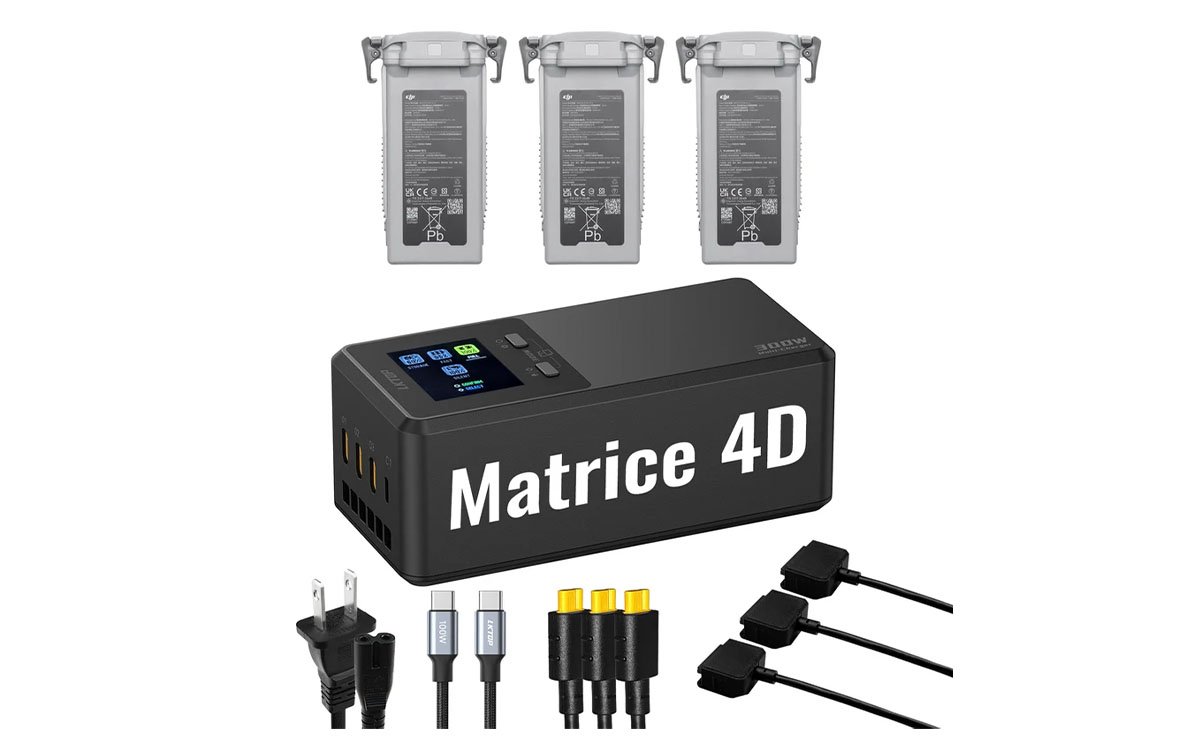
How to choose the right drone battery? A cheap battery that lasts 100 cycles is far more expensive than a premium battery that lasts 500. Cycle life is measured by how many full charge-discharge cycles a battery can complete before dropping to 80% capacity.
If you fly professionally, here’s a simple formula to calculate your how to extend drone battery life strategy:
- Cycle count × flight time per cycle = total flight time per battery
- Premium Li-ion (500 cycles × 45 min) = 375 hours of flight
- Budget LiPo (100 cycles × 30 min) = 50 hours of flight
That’s a 7x difference in effective value. For commercial operators, Li-ion chemistry almost always wins on cost per flight hour.
5. Storage, Transport, and Safety
To choose the right drone battery, you may know the Lithium batteries are classified as dangerous goods. If you’re shipping drones or batteries internationally, you must comply with:
- FAA Battery Transport Rules — US regulations for air travel and shipping.
- IATA Lithium Battery Guidance — international air cargo standards.
- IEEE Battery Standards — technical benchmarks for safety testing.
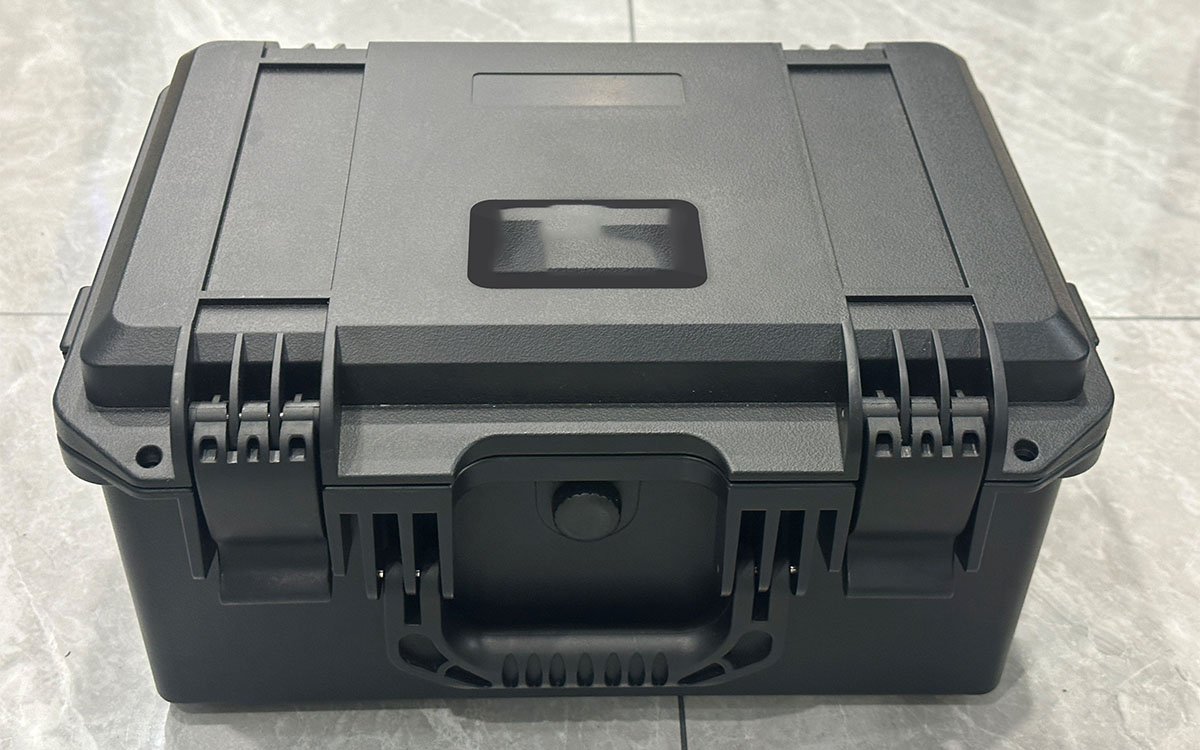
For field operations, a rugged Protective Case is non-negotiable. It prevents physical damage, keeps batteries dry, and provides fire-resistant containment in case of thermal runaway.
Final Thoughts: Build a Battery Strategy, Not Just a Battery Purchase
Choose the right drone battery isn’t about buying the biggest one available. It’s about matching chemistry, capacity, discharge rate, and cycle life to your actual mission profile — and then supporting that with the right charging and storage infrastructure.
If you’re not sure which setup fits your operations, browse our full collection at the SoarApex Store, or contact our team for personalized recommendations based on your flight profile.